Pest Control: Effective Techniques to Guard Your Property and Establishment
Pest Control: Successful Strategies to Protect Your Property and Business
Overview to Pest Control
Pest Control concerns the regulation or direction of organisms identified as pests – organisms that unfavorably alter human endeavors or vicinities. In New Jersey, a place where different ecosystems converge with suburban and urban expansion, potent Pest Control is not merely a luxury but a crucial element for maintaining hygienic living and working atmospheres. From the expansive localities of Monmouth County to the unified neighborhoods of Matawan, pest problems can affect any person, independent of how immaculate or well-maintained their property may be.
The importance of applying useful Pest Control procedures cannot be exaggerated. For house owners, pests can deteriorate foundational stability, pollute food provisions, and pose important health risks. Organizations meet these same problems, with the supplementary worry of standing impairment and prospective forfeiture of customers if invasions are found. Usual pests in New Jersey encompass rats and mice like rats and mice, different invertebrates such as ants, cockroaches, and bed bugs, and the especially destructive termites that can silently undermine a building's support structure.
For What Reason Pest Control Is Significant
Health Dangers of Pest Control Treatments
Various pests harbor and pass on sicknesses that can harm persons and pets. Small mammals are proven transporters of hantavirus, salmonella, and leptospirosis. Cockroaches can trigger asthma bouts and sensitized responses, specifically in little ones. Ticks, prevalent in New Jersey's sylvan locations, are notorious for disseminating Lyme disease, while mosquitoes can spread West Nile virus and Eastern Equine Encephalitis. Qualified Pest Control enables diminish these health threats by eradicating the source of these likely disease vectors.
Real Estate Harm in Pest Control
The framework damage generated by pests can be widespread and pricey. Termites alone produce over $5 billion in home injury yearly within the United States, with New Jersey homes being particularly prone due to the state's environmental conditions. Vermin can chew through electrical circuitry, forming fire threats, while their persistent gnawing can ruin insulation, pipes, and wood structural items. Even ostensibly non-threatening ants can jeopardize wooden structures if permitted unaddressed, especially carpenter ants which are typical in Monmouth County.
Fiscal Implications of Pest Control Services
Disregarding pest issues can lead to noteworthy fiscal ramifications. What possibly start as a minor problem requiring simple handling can rapidly escalate into a substantial issue requiring broad rehabilitation. For companies, notably those in the food business or tourism fields, pest outbreaks can lead to flunked health checks, short-term suspensions, and enduring harm to name and customer confidence. Putting money in normal Pest Control is not merely about prompt comfort—it's a ongoing financial protection.
Pest Control: Typical Family and Commercial Pests
Small Mammals (Rats and Mice)
When it regards discovering rodent invasions in your New Jersey home, awareness is vital. You can see droppings near food reserves, in compartments, or under sinks. Nibble marks on food enclosures, timber, and electrical wiring are evident marks of their attendance. At evening, you may detect scratching commotion in partitions, ceilings, or below floors as these nocturnal beings get vigorous. If you find nests constructed from ripped documents, fabric, or dehumidified plant material, that's a clear signal rodents have constructed themselves home. Fatty rub marks along baseboards and walls manifest as rodents adopt the similar paths continually, while your pets may reveal abnormal behavior such as yelping or pawing at spots underneath equipment or possessions where rodents hide.
Small mammals in New Jersey homes and businesses establish multiple menaces past only annoyance. They can taint food and making zones with infectious agents residing in their pee and stools. Their unending compulsion to chew can impair items, especially electrical lines, which creates fire perils. In Matawan and encompassing places, the Norway rat and house mouse are especially problematic, blooming in both densely populated and outlying surroundings. Effective Pest Control actions are fundamental to manage these detrimental encroachers.
Bugs (Ants, Cockroaches, Bed Bugs)
Invertebrate infestations exhibit themselves in numerous fashions relative to the type. Ant predicaments become noticeable when you detect discernible ant paths approaching food supplies, or when you locate minor accumulations of dirt or wood pieces created by carpenter ants. Cockroach problems often exhibit themselves through dark waste comparable to coffee grounds or black pepper, a singular fusty scent that permeates contaminated places, and the existence of egg capsules in covered corners. Bed bug problems show up as rust-colored speckles on mattresses and pieces, shed skins near lounging spots, small blood spots on sheets, and scratchy red elevations on skin generally aligned in a row or group.
Arthropods represent the most varied type of pests in New Jersey. Cockroaches can set off asthma and allergies while dispersing various microorganisms. Bed bugs, while not disease vectors, produce notable irritation, sleep disturbance, and psychological anguish. Some ant kinds, like carpenter ants regular in Monmouth County's tree-covered spots, can produce structural destruction comparable to termites throughout time. Trained Pest Control firms can identify distinct insect breeds and execute precise treatment tactics that handle the special practices and exposures of each pest.
Termites
Discovering termite activity soon demands recognizing the slight signals of their presence. You perhaps see rejected wings near portals and portals after swarmers have identified a mate and founded a new community. Mud tubes on outer partitions, wooden beams, or in crawl areas operate as safeguarded highways for these harmful insects. Wood that reverberates hollow when tapped demonstrates termites have been feasting from within. Access points and apertures that unexpectedly bond may signal bending from termite impairment, while cracked or blistering paint resembling water damage often hides termite work underneath. Spotting frass—termite waste comparable to minuscule wood-colored fragments—offers another verification of their unwelcome manifestation.
Termites establish perhaps the most major skeletal hazard throughout all common pests. In New Jersey, the Eastern subterranean termite is pervasive and especially harmful. These insects can stay hidden for years while making significant damage to wood constructional constituents. Homes in Matawan and across Monmouth County, mainly older houses, are exposed to termite invasions. The standard price of term pest control.
Pest Control Protection Factors
Secure Usage of Chemicals and Products in Pest Control
When pesticides grow necessary in your pest control method, emphasizing protection needs focus to several vital practices that protect people, pets, and the surroundings. Consistently examine and observe label guidelines precisely, as these binding guidelines demonstrate thorough testing and governmental evaluation designed to limit dangers. Apply the minimum successful quantity of product to attain elimination while reducing unneeded substance addition into your living environment. Use chemicals only in zones indicated on the product instructions, preventing off-label applications that may produce unforeseen risks or diminish efficacy. Don proper safeguarding apparatus as indicated by chemical producers to eliminate direct exposure during application. Maintain products in their factory bottles with directions intact to preserve availability to security data and avoid mix-ups. Maintain comprehensive logs of all uses, writing down substances utilized, dilution levels, locations treated, and schedules of application for later reference. Ensure adequate curing and ventilation before reentering applied areas, especially crucial in New Jersey's weather where moisture can impact drying periods. Evaluate reduced-risk alternatives when efficient, as progress in pest management have created many safer options that keep efficacy while lowering possible dangers.
Safeguarding Pets and Kids During Pest Control Treatments
Special steps become vital when implementing pest control procedures in dwellings with sensitive family occupants. Relocate companions during service and until surfaces are dry to eliminate immediate interaction with moist products or vapors that could cause adverse reactions. Protect or move pet meals, drinking bowls, and playthings before application to prevent exposure that could cause inadvertent eating. Keep children's toys away from service areas, specifically things that small children might put in their lips. Wash and sanitize food cooking areas after service, even if they weren't immediately applied to, to get rid of any residues that might have collected during application. Hold children apart from serviced spaces for the recommended period, increasing this time for mobile toddlers who have increased close contact with floors and bottom surfaces. Examine pet-safe and kid-friendly chemical choices when available, as many current chemicals target specific pest anatomy while limiting animal toxicity. Most significantly, tell expert applicators about the presence of pets, kids, or expecting household occupants before they develop service approaches, allowing them to adapt approaches and substance options appropriately.
Governmental Standards and Adherence with Pest Control
Pest control in New Jersey operates within a official system intended to safeguard general wellness and the environment while providing successful pest management. The New Jersey Department of Environmental Protection supervises pest control procedures, mandating expert pest control businesses to satisfy certain specifications. Organizations must use certified technicians who have passed state tests demonstrating proficiency in pest biology, service procedures, and security protocols. These businesses must keep proper protection coverage protecting both their specialists and their customers from likely injury or injuries linked to pest elimination operations. Strict guidelines govern product keeping, transport, and disposal to avoid environmental contamination and unauthorized entry. Experts must provide Safety Data Sheets upon inquiry, recording the properties and risks of products utilized in treatments. Notification requirements apply for certain treatments, especially in multi-unit dwellings or industrial areas with multiple occupants. Detailed application documentation must be preserved, forming an inspection history of pest control activities. Moreover, only chemicals licensed for employment in New Jersey may be legally applied, guaranteeing that regional natural situations and ecosystems have been evaluated in the approval system. For industrial establishments in Matawan and throughout Monmouth County, further guidelines may apply based on the business, particularly for restaurant business, health, and child care centers where pest management intersects with additional public safety concerns.
Eco-Friendly Pest Control Choices
Combined Pest Control (IPM) System
Unified Pest Control constitutes the highest level in current pest control, focusing on lasting avoidance through a blend of techniques that minimize environmental impact while maximizing efficiency. The IPM process begins with thorough examination and monitoring to pinpoint pest pressure correctly, setting up initial facts about varieties present and quantity counts. This produces accurate identification of pest kinds, making certain treatment attempts focus on particular habits and susceptibilities rather than implementing broad procedures. Practitioners determine threshold levels that require action, acknowledging that the basic occurrence of a handful of insects doesn't inevitably demand treatment if amounts remain beneath injurious numbers. When treatment grows needed, IPM uses multiple control strategies in unity, typically beginning with safest approaches and escalating only when needed. Across the process, professionals examine success and modify strategies as appropriate, building a flexible strategy adaptive to changing environments. Most significantly, IPM emphasizes prevention over elimination, handling construction and ecological aspects that sustain pest populations rather than merely removing current organisms. Many pest control organizations in New Jersey provide IPM-based programs that match with the region's effort toward reduced-risk pest treatment procedures, especially in delicate environments like learning pest control institutions, medical establishments, and nutrition processing centers.
Chemical-Free Management Methods
Efficient pest control often incorporates chemical-free approaches that can address or reduce pest problems without adding chemicals into the area. Tangible shields such as screens, door sweeps, and closing eliminate pest penetration totally, handling the problem at its origin. Physical systems like catches and prevention systems remove current pests while blocking fresh arrivals. Biological systems featuring helpful creatures and microorganisms insert organic enemies that aim at certain creatures while preserving helpful organisms undamaged. Cultural methods alter the setting to prevent creatures, such as altering moisture routines to lower moisture that lures specific bugs. Environment adjustment decreases hiding places and nutrition supplies, rendering areas less favorable to problematic guests. For specific creatures like bed bugs, temperature procedures provide highly effective treatment without toxic residues by raising thermal levels past the thermal killing limit for all growth cycles of the intended pest. In the same way, freezing techniques for warehoused goods pests like cereal beetles or kitchen insects can destroy issues in consumable products without chemical exposure. These techniques show particularly beneficial in New Jersey's varied environments, where proximity to water bodies, safeguarded environmental regions, and concentrated population centers produces many scenarios where chemical reduction becomes preferable or essential.
Eco-Conscious Pest Control Treatment Options
The pest control sector persists to advance toward greater sustainable methods that preserve performance while reducing environmental footprint. Plant-based products extracted from natural compounds like pyrethrum, neem oil, and concentrated oils deliver focused elimination with minimized longevity in the surroundings. Living products containing organisms, fungi, or organisms that aim at individual pest organisms supply accuracy that standard wide-range products can't match. Maturation regulators that inhibit pest breeding by disrupting with growth phases provide sustained population reduction without immediate dangerous consequences on fully-grown organisms. Attractant systems that observe or interrupt pest reproduction assist identify when treatment turns needed and can stop breeding in specific kinds. The industry continuously implements lower-risk substances with small natural impact, transitioning away from conventional chemistries with greater consequences on beneficial creatures. Precision delivery methods that reduce overall substance use administer services directly where needed rather than distributing chemicals over wide areas. Eco-friendly qualification programs for pest treatment businesses establish guidelines for environmentally favorable assistance and supply customers with plain recognition of companies dedicated to eco-conscious practices. In environmentally vulnerable locations of New Jersey, including parts of Monmouth County with proximity to marine sources, these sustainable strategies are especially useful for preserving both people's health and wild environments while continue to delivering effective pest management.
Finding a Local Pest Control Service Provider in New Jersey
Capitol Exterminating System
272 NJ-34
Matawan, NJ 07747
(732) 441-1900
Frequently Asked Questions (FAQs) about Pest Control
How commonly should pest control be carried out?
For numerous New Jersey houses, quarterly pest control delivers sufficient defense against seasonal pest pressures. This routine aligns with the region's unique seasons, each creating distinct pest difficulties that require preventive attention. Spring treatments usually deal with arising ant communities and hibernating creatures getting lively. Summer treatments concentrate on mosquitos, ticks, and different aerial creatures that flourish in warmer conditions. Cool season applications set up homes for rodents and sheltering organisms looking for protection as weather drop. Winter treatments preserve safeguarding against indoor creatures while dealing with small mammal problems at its greatest. Though, this timing may rise for homes with certain danger conditions or active concerns that require more thorough treatment. Houses beside forested regions in Monmouth County may gain from extra parasite and mosquito procedures within top times. Structures with background of specific pest troubles often need specific follow-up procedures past the standard four times yearly routine. Business properties, especially restaurant industry operations in zones like Matawan, often call for every month service to maintain conformity with wellness requirements and stop invasions that could injure credibility and enterprise operations.
Is professional pest control harmless for animals?
When performed correctly, expert pest control can be safe for pets through deliberate substance choice and application methods that minimize contact. Current focused application procedures and reduced-risk chemicals have significantly enhanced wellness profiles compared to older pest treatment techniques. Modern services often utilize compounds explicitly developed to have minimal danger to animals while staying productive against designated creatures with distinct body systems. Specialist applicators receive preparation in application methods that place substances in areas pets can't reach, such as interior gaps, splits and openings, or underneath appliances. Though, companions should be moved while performing procedure and until all services have cured fully, observing individual rest times proposed by the material company and specialist. Water containers should be shielded and ventilation devices turned off during service to avoid contamination from floating particles. Pet objects such as sleeping areas, items, and nutrition bowls should be taken away or covered while performing procedure. Talk about any questions with your pest control specialist, who can propose suitable delay durations considering the individual services employed and change methods for households with notably sensitive companions like birds or cold-blooded animals that may have distinct physical vulnerabilities than cats and canines.
What are the indicators of a serious pest infestation?
Past seen pests themselves, multiple danger signs show likely major invasions calling for prompt pest control intervention. Odd smells often arise with large issues – stale, slick aromas may indicate rodents, while sugary, almond-like scents occasionally accompany German roach colonies. Puzzling building deterioration like sinking surfaces, blistering paint, or falling apart material may expose termite activity or wood-boring ant invasions destroying support elements. Peculiar noises within structures or upper spaces, notably at dark, frequently indicate small mammal activity as these nighttime animals turn mobile in hidden areas. Excessive particles looking like minute sawdust around wood elements may truly be droppings or excrement from lumber-eating insects. Some residences experience mysterious medical problems like airway troubles or discomfort that disappear when gone from property, likely showing pest invasions altering indoor air condition. In New Jersey residences, specific attention should be devoted to lower level and under-floor locations where water issues can sustain pest colonies, particularly in mature homes throughout Monmouth County where structural splits and decaying mortar supply numerous access spots. Discovering several lifeless creatures of the similar variety implies a more extensive population nearby, while fat marks beside baseboards show developed small mammal passages with consistent use.
Can I avoid organisms without pest control products?
Yes, many pests can be stopped through appropriate hygiene, prevention, and environment change without using chemical applications. The foundation of natural pest control begins with complete blocking efforts – blocking fissures, gaps, and access points that enable insects to access homes in the initial position. Putting in door strips, restoring deteriorated mesh, and closing mechanical holes stops usual invasion places. Eliminating sustenance sources through appropriate edible storage in closed containers, immediate cleaning of messes and pieces, and frequent trash elimination markedly minimizes attractants that attract pests indoors. Minimizing dampness by mending seeping water lines, upgrading air movement in humid areas, and tackling runoff concerns eliminates the water supplies multiple organisms require. Maintaining a buffer area encircling buildings by pruning vegetation, clearing leaf litter, and maintaining wood off the ground and apart from properties lowers harborage areas and penetration places. Utilizing tangible obstacles like copper material or metal material to stop wider holes offers enduring barrier protection for mice and rats. Regular care that features vacuuming gaps and gaps eliminates insect young and nutrition waste that maintain pest reproduction. For existing infestations, though, some variety of treatment substance may be necessary to address set troubles, though various minimal-impact alternatives are offered including natural silica powder, boric acid, and bug-eliminating solutions that offer decreased threat against traditional pesticides.
What should I anticipate throughout expert pest control service?
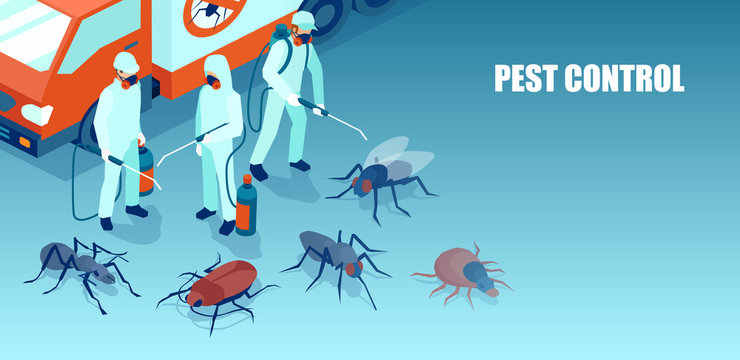
A expert pest control procedure generally initiates with a thorough examination to identify pest species, invasion points, and conducive environments relating to the trouble. The technician should take effort reviewing both interior and exterior spaces, paying focused focus to kitchens, bathrooms, cellars, and perimeter foundations where pest movement commonly gathers. Following this assessment, the specialist should detail their observations in depth and recommend a service strategy tailored to your particular case, reviewing both the target organisms and the methods suggested for controlling them. You may get preparation directions before procedure, probably including repositioning items, emptying individual spaces, or containing companions. While performing the procedure, the expert will administer proper chemicals to specific locations based on the pest varieties identified, concentrating on fissures, spaces, and pest hiding spaces rather than spreading treatments over complete regions. They may install observation devices like bug devices or food systems that support follow development and deliver persistent safeguarding. After completing procedures, a expert should clarify any after-service safety measures such as air circulation standards, re-entry durations, or locations to wash. Before leaving, they should schedule additional visits if needed for particularly challenging pests like bed bugs or German insects that usually require various applications for full destruction. Within this procedure, experts should accept inquiries and give clear information about the chemicals and approaches used, demonstrating their education and commitment to both efficiency and wellness.
Productive pest control is an essential part of preserving safe, protected home and working areas in New Jersey. From the wet hot months that create mosquitoes and blood-sucking insects to the colder seasons when mice and rats search for shelter indoors, pest threats remain a year-round worry for residents and companies in Monmouth County and Matawan. By comprehending typical organisms, applying proactive procedures, and knowing when to pursue specialist help, property operators can safeguard their holdings and the safety of inhabitants.
Adopting a forward-thinking method to pest control is constantly additional efficient and cost-effective than handling to established problems. Frequent assessments, proper preservation, and tackling little concerns before they grow can avoid the significant expenses and problems connected with significant pest concerns. When specialist intervention turns necessary, choosing a trustworthy, licensed pest control service who uses combined pest treatment principles provides efficient outcomes with small natural footprint.